Aircrew Parachute Harness/Pack – Vulcan & Victor Crew Seats: Collectible Aircraft Emergency Gear
Aircrew Parachute Harness/Pack – Vulcan & Victor Crew Seats: Collectible Aircraft Emergency Gear
Blog Article
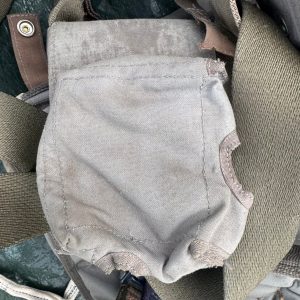
The Aircrew Parachute Harness/Pack – Vulcan & Victor Crew Seats combines historical aviation interest, crew-seat integration potential, harness construction, and emergency-equipment significance.
An Aviation Parachute Harness may form part of military, training, experimental, aerobatic, or historic aviation equipment, while a Pilot Parachute Harness requires professional assessment before any operational consideration.
An Aircraft Emergency Parachute Harness may also be marketed as an Aircrew Safety Harness, Flight Crew Parachute Harness, Emergency Parachute Harness, or Military Aircrew Harness when its historical and technical context is explained clearly.
Accurate descriptions of Aircraft Crew Safety Equipment and Aircrew Emergency Equipment support better purchasing decisions and stronger SEO performance.
The Aviation Safety Harness may have historical value, while the Flight Parachute Harness and Aircraft Parachute Equipment should be assessed by qualified specialists before any safety-related use.
Historic Vulcan and Victor Crew-Seat Equipment
The offered harness and pack should be identified through visible labels, part numbers, contract markings, manufacturer information, dates, inspection stamps, and known aircraft-seat relationships.
The listing should explain whether the item includes the harness only, pack only, container, straps, fittings, seat connections, release hardware, padding, labels, or additional components.
Parachute Harness Webbing and Hardware
An Aviation Parachute Harness typically relies on load-bearing webbing, reinforced stitching, metal fittings, adjustment hardware, attachment points, and configuration-specific connections.
Original thread can lose strength even when the stitch pattern remains visually intact.
Pilot Harness Strap Configuration
A Pilot Parachute Harness should correspond with the wearer, clothing, seat arrangement, parachute pack, attachment system, and intended operating configuration.
Collectors may value original configuration more than modern replacement hardware.
Understanding Emergency Parachute Attachment
Operational claims should never be made without current specialist inspection and applicable documentation.
Unknown alterations should be recorded rather than removed immediately.
Military Aircrew Safety Components
Military aircrew equipment can vary significantly between aircraft types, crew stations, and service periods.
Webbing should not be folded sharply under heavy weight or compressed against corroded hardware.
Flight Crew Parachute Harness Condition
A clean appearance does not establish structural strength or operational suitability.
Transparent information strengthens trust among buyers of Flight Crew Parachute Harness equipment.
Emergency Harness Storage Review
A documented inspection preserves both technical information and collector value.
Signs of deterioration can include fading, stiffness, powdering fibers, frayed edges, stains, mildew, chemical odor, burned areas, torn stitching, corrosion transfer, and damaged labels.
Military Aircrew Harness Heritage
Incomplete items can still provide useful reference, restoration, or educational value.
Museums Aviation Parachute Harness and display builders may use the harness/pack to complete a crew-seat installation, cockpit exhibit, training display, or aviation-history presentation.
Evaluating Emergency Escape Gear
A complete-looking harness/pack should not be represented as a complete escape system without supporting information.
Qualified historical or technical review supports accurate Aviation Emergency Escape Harness presentation.
Harness and Pack Configuration
The exact configuration should be listed clearly so buyers understand what is included.
A detailed inventory can increase the commercial value of an incomplete Parachute Harness Assembly.
Historic Aircraft Safety Components
Each item should be identified and evaluated individually because age, storage, configuration, and service history can differ.
Routine preservation should include gentle dust removal, condition photography, label recording, humidity control, pest monitoring, and suitable storage support.
Preserving Aviation Emergency Equipment
A harness/pack associated with Vulcan or Victor crew seats can contribute to research into military cockpit equipment and emergency procedures.
Claims about operational readiness should require current professional evidence.
Understanding a Pilot Emergency Parachute System
Historic parachute equipment may have exceeded original service intervals or contain materials affected by age and storage.
Opening a historic pack can disturb original packing arrangements, seals, labels, or documentation.
Aviation Safety Harness for Display and Collection
Its visual impact is enhanced when straps, pack, fittings, labels, and attachments remain arranged accurately.
Interpretive labels should distinguish verified facts from uncertain history.
Buying Historic Aircrew Equipment
A collector may prioritize originality and aircraft association, while a restoration buyer may focus on matching fittings and seat compatibility.
Original storage bags, manuals, inspection cards, or photographs can increase collector interest.
Crew-Seat Harness Compatibility
Configuration research helps avoid historically inaccurate or technically unsuitable assemblies.
Incorrect routing can damage webbing, bend fittings, or create false wear patterns.
Inspecting the Aircrew Parachute Harness/Pack
A pre-purchase review should confirm manufacturer, part numbers, dates, labels, aircraft or seat association, webbing condition, hardware, pack configuration, repairs, storage history, completeness, and documentation.
- Confirm all visible labels, part numbers, dates, contract markings, manufacturer information, inspection stamps, and claimed Vulcan or Victor crew-seat association.
- Check metal hardware for corrosion, pitting, cracks, bending, sharp edges, seized movement, plating loss, and mismatched parts.
- Inspect and photograph the item immediately after delivery before cleaning, opening, adjusting, mounting, repairing, or separating components.
Storing the Aircrew Parachute Harness/Pack
Acidic cardboard, untreated wood, plasticizers, rubber, chemicals, and damp fabrics should not contact the equipment.
Silica products or humidity-control materials should not contact the harness directly.
Historic Parachute Equipment Presentation
A conservation-focused display preserves the Vulcan and Victor harness/pack for future study.
Professional presentation improves educational value without compromising authenticity.
Maintaining Historic Aircrew Parachute Equipment
Polishing corroded hardware may damage plating or stain surrounding webbing.
An incomplete but authentic assembly may hold greater historical value than a heavily reconstructed example.
Choosing the Aircrew Parachute Harness/Pack – Vulcan & Victor Crew Seats
The Aircrew Parachute Harness/Pack – Vulcan & Victor Crew Seats may suit museums, military aviation collectors, cockpit restorers, historians, preservation specialists, and buyers seeking authentic aircrew equipment.
The assembly should be judged according to verified identity and complete project suitability rather than aircraft-name recognition, visual completeness, or price alone.
Whether the requirement is an Aviation Parachute Harness, Pilot Parachute Harness, Aircraft Emergency Parachute Harness, or Aircrew Safety Harness, individual condition assessment should guide the purchase.
With complete evaluation and continued preservation, the Aircrew Parachute Harness/Pack – Vulcan & Victor Crew Seats can deliver a professional combination of historical significance, restoration potential, collectible appeal, and military aviation heritage.
Report this page